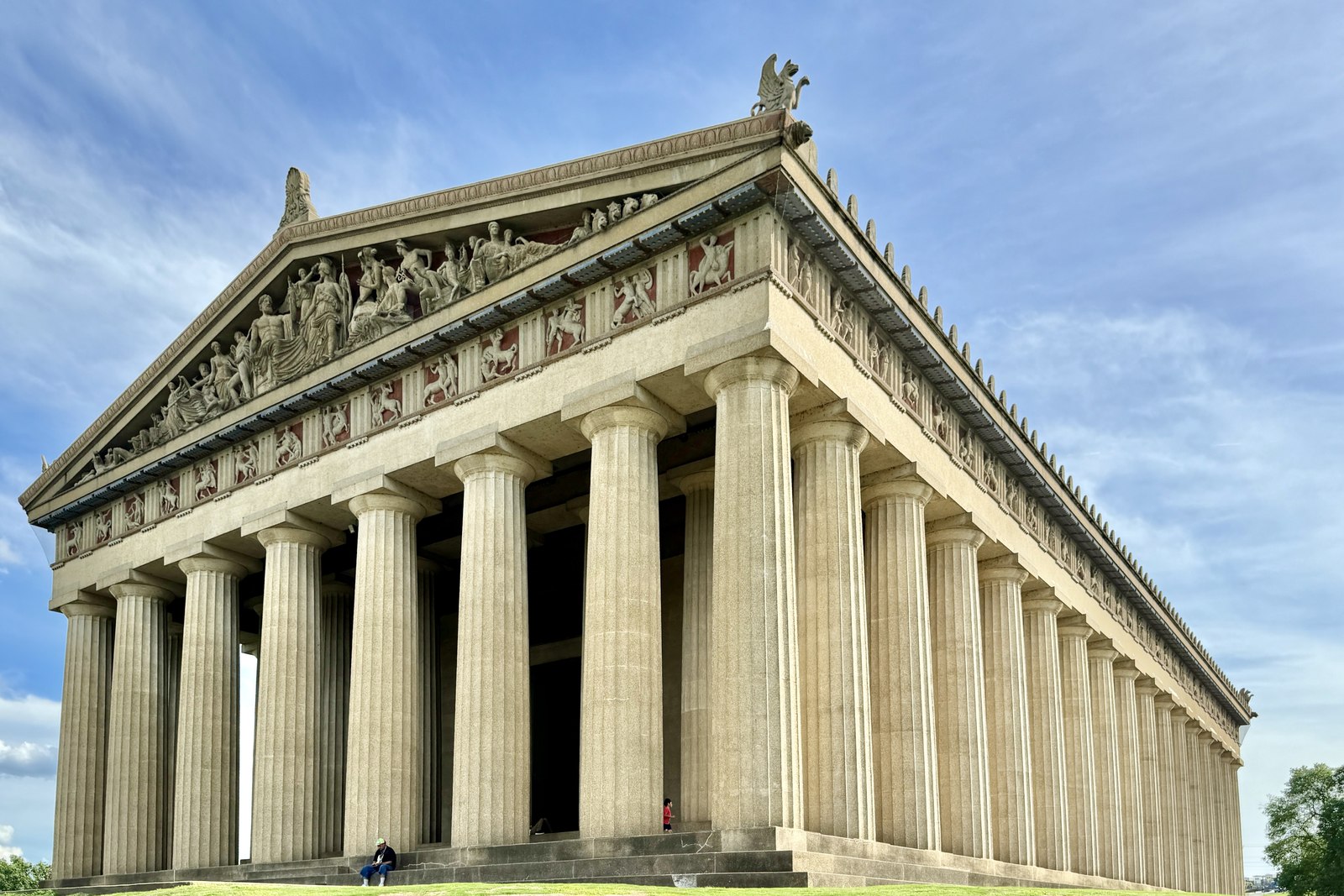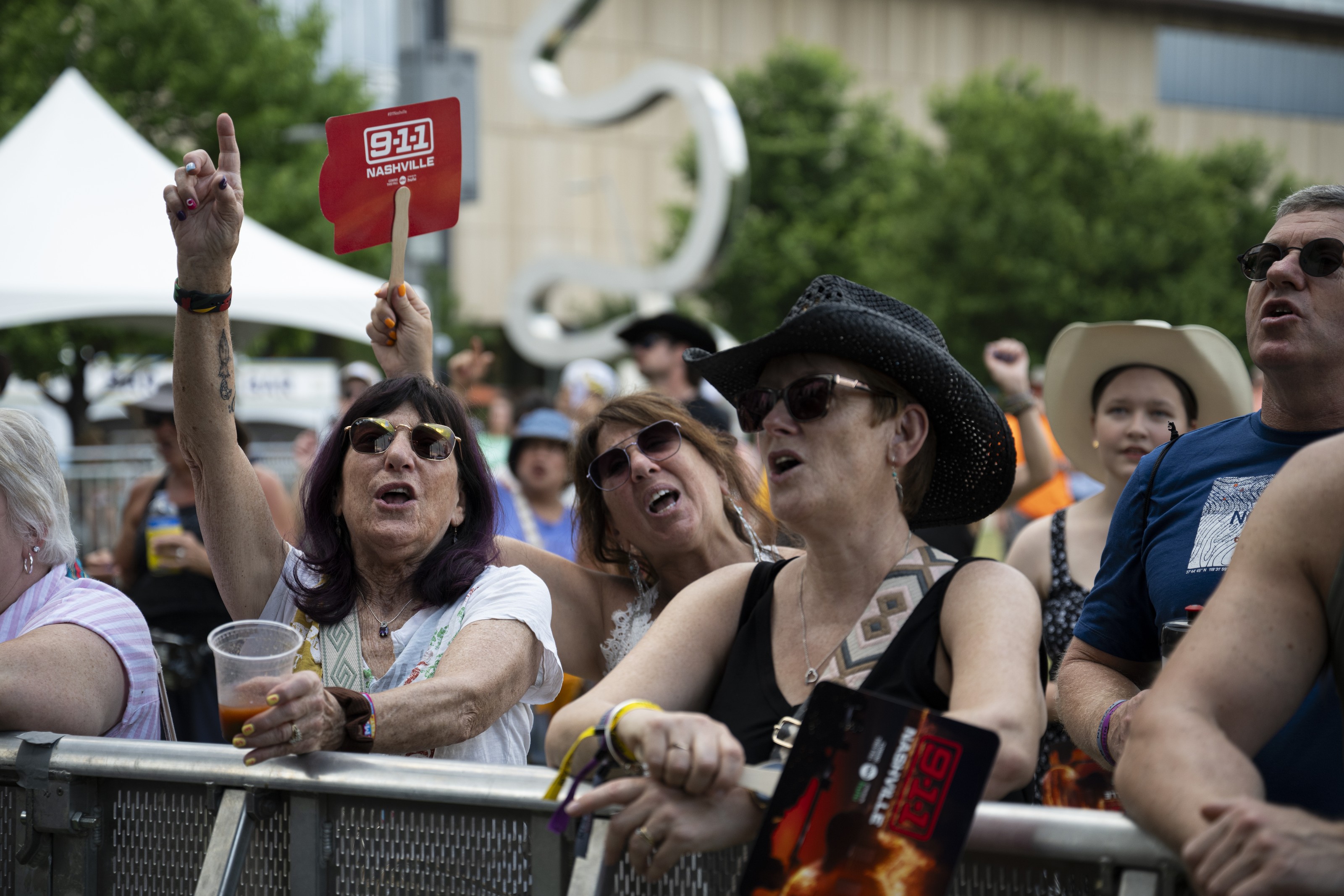
Nashville has more live music per square mile than anywhere else in the United States, and almost none of it works the way visitors expect. The famous names are not always the best rooms, the best rooms are often the smallest, and the thing you most want to see may require booking before you book your flight.
The useful mental model is four categories: honky-tonks, listening rooms, mid-size ticketed halls, and the historic venues. Each has a different cost, a different lead time, and a different kind of night attached.
This guide explains what each category actually delivers, how far ahead to plan, and how to combine them without spending your whole trip in a line. Confirm calendars and ticket details with the venue directly.
Honky-tonks: free, constant, and better than they sound on paper
The bars on Lower Broadway run live bands from late morning until close, with no cover and no ticket. Players rotate in shifts, so a band you like will be gone in a couple of hours and another one will be up.
The musicianship is high. These are working players, many of them touring or session musicians filling a calendar. The repertoire skews toward covers because that is what the room pays for, but the playing is real.
Tip the bucket. Broadway bands are paid almost entirely by tips, and this is the one etiquette rule that actually matters here.
Go in the afternoon if you want to hear anything. By 9pm on a weekend the volume and the crowd make listening secondary.
Listening rooms: where the songwriting is
A listening room is a small venue where the audience is expected to be quiet and the performer is usually playing original material, often seated, often in the round with two or three other writers trading songs.
The Bluebird Cafe in Green Hills is the best-known example. It is genuinely tiny, and that is the entire point; it is also why reservations open in advance and disappear quickly. If this is on your list, plan around it rather than hoping.
The Station Inn in the Gulch is the bluegrass equivalent: a plain room, a cash bar, and some of the best acoustic playing you will hear. Seating is limited and often first-come, so arrive early.
The etiquette is strict and worth respecting. Talking during a set in a listening room is the local equivalent of talking during a film.
Ticketed halls and the historic rooms
The Ryman Auditorium is the room people mean when they talk about Nashville acoustics. It is a former tabernacle with wooden pews, it seats a couple of thousand, and there is no bad-sounding seat in it. Shows sell out; buy when a date is announced rather than when you arrive.
The Grand Ole Opry runs at the Opry House most of the year and moves to the Ryman for a stretch in winter. It is a radio show, not a concert: multiple artists, short sets, live commercials read from the stage. That format surprises people. Know it going in and it is a good night.
Mid-size clubs and theaters across Midtown, East Nashville, and the Gulch handle touring acts. These are ordinary ticketed shows with ordinary lead times, and they are where you will find current touring artists rather than the heritage programming.
Ticket fees are substantial across the board. The face price is not the price. Budget accordingly and buy from the venue or its official ticketing partner rather than a resale listing.
How far ahead to plan
Bluebird-style rounds: weeks. Reservation windows open on a schedule and fill in minutes. Treat it as the fixed point in your trip and build around it.
Ryman and Opry shows: as soon as you have dates. Popular nights go early, and the good seats go first.
Touring club shows: a week or two is usually fine unless the act is well known.
Broadway: no planning at all. That is its function in a trip. Use it to fill the gaps.
Building a music night that works
One ticketed show per night is the right number. Two is a logistics problem, and the second one always suffers.
A reliable structure: early dinner in Germantown or the Gulch, a 7:30 or 8:00 show, then Broadway afterward if anyone still has energy. The reverse order does not work because you will not leave Broadway.
If you are downtown, the Ryman is walkable from most hotels. The Opry House is out by Opryland, roughly twenty minutes by car with real post-show traffic. Budget the ride home.
Sunday and Monday nights have thinner calendars across the city. If your trip is short and music is the reason for it, weight your nights toward Thursday through Saturday.
What it costs
Broadway is free apart from drinks and tips. Expect to leave $20 or more in tip buckets across a night if you move between bars, but check nothing and commit to nothing.
Listening rooms typically carry a modest cover or ticket plus a food and drink minimum in some cases. Expect roughly $15 to $40 a head before drinks, but confirm current pricing with the venue.
Ryman and Opry tickets vary widely by artist and seat. Add fees, which are meaningful.
Parking downtown on a show night is its own expense. A rideshare is often cheaper than a garage.
Common questions
- Is the Grand Ole Opry worth going to?
- Yes, if you understand the format. It is a live radio broadcast with several artists playing short sets, not a full concert by one headliner. People who expect a standard concert are the ones who come away disappointed.
- How do I get into the Bluebird Cafe?
- Plan well ahead. The room is very small and reservations open on a schedule and go quickly. Check the venue directly for the current booking window, and treat it as something you build the trip around rather than a walk-in.
- Do I need tickets for Broadway honky-tonks?
- No. They are free to enter and run bands all day. The bands are paid by tips, so bring cash or use whatever tip method the bucket indicates.
- What is the best-sounding room in Nashville?
- The Ryman Auditorium, by broad consensus. It was built as a tabernacle, and the wooden pews and shape of the hall carry sound unusually well.
- Can I see live music on a Monday or Tuesday?
- Yes. Broadway runs every day, and listening rooms often program writers nights early in the week. The ticketed touring calendar is thinner, so check listings before you count on a specific show.
We review this guide on a regular schedule. If a detail has changed, send us a correction.