Most Nashville itineraries fail the same way: too many things, spread too far apart, with no allowance for how long it takes to get between them. The city looks compact on a map and does not behave that way in a car at 5pm.
The honest version is that there are about five things most visitors are glad they did, a longer list of good options that depend on your interests, and a handful of attractions that absorb an afternoon without giving much back.
This guide sorts them, gives realistic time estimates, and groups things by geography so you are not crossing the city twice in a day. Confirm hours and ticketing directly before you go.
The short list
The Country Music Hall of Fame and Museum is the one indoor attraction that is worth the ticket even if you do not much like country music. It is well built, it explains why this city exists in its current form, and it is downtown. Budget two hours if you read, three if you read everything.
A show at the Ryman Auditorium. Even a mid-bill act in that room is a better night than a headliner in an ordinary hall. Tickets go early.
An afternoon on Lower Broadway. Free, walkable, and the bands are genuinely good before the evening crowd arrives. An hour or two is enough.
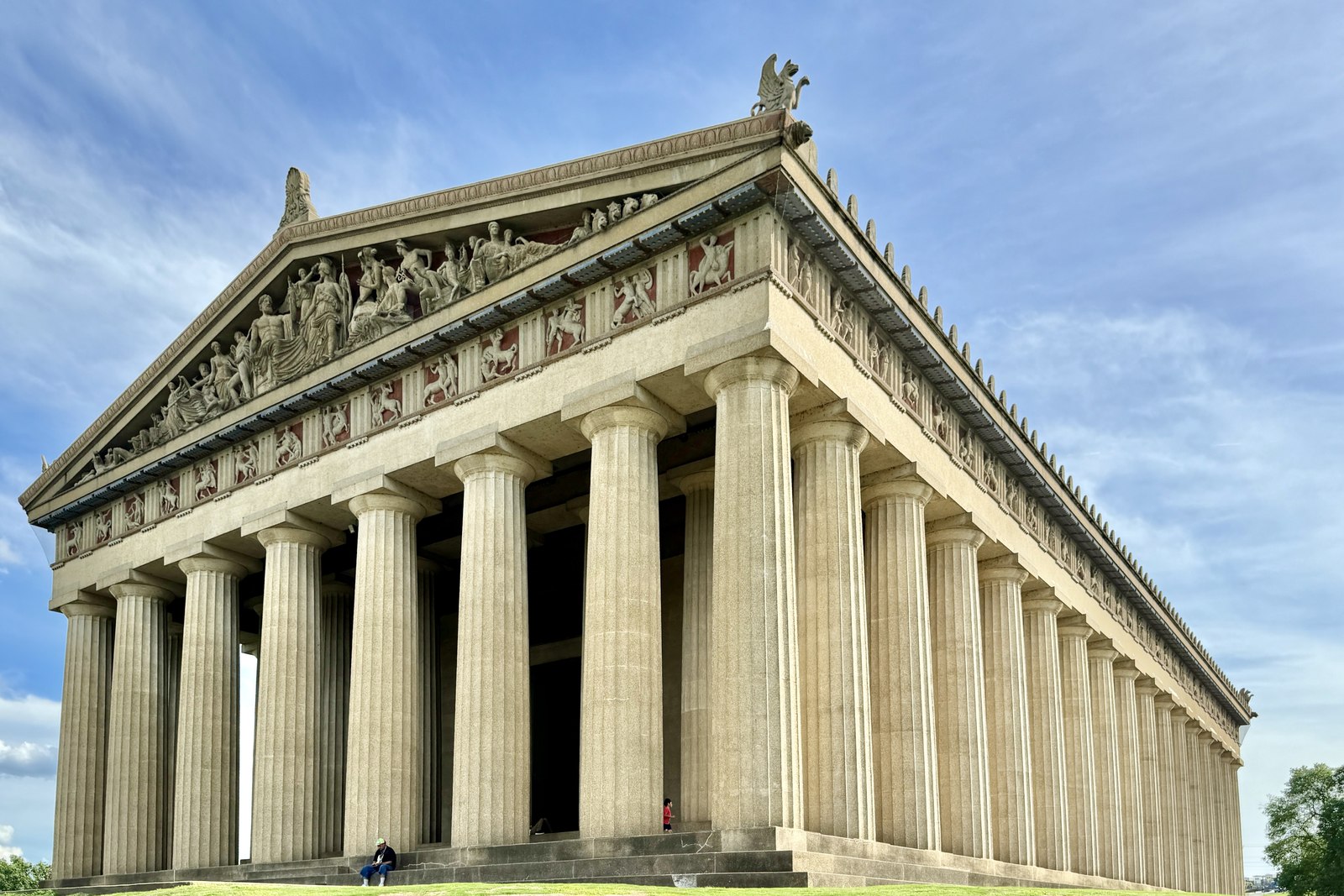
The Parthenon in Centennial Park is a full-scale replica with an art museum inside, and the park around it is the best green space near the center of town. Free to walk around, ticketed to go in.
The John Seigenthaler Pedestrian Bridge at dusk. Five minutes of effort, the best skyline view in the city, and it costs nothing.
Music history beyond the Hall of Fame
RCA Studio B on Music Row is a working piece of recording history and is toured through the Country Music Hall of Fame rather than booked separately. If you liked the museum, this is the natural extension.
Music Row itself is a working office district in converted houses, not an attraction. Walking it takes twenty minutes and gives useful context, but there is nothing to go into.
The Musicians Hall of Fame and the various genre-specific museums downtown are worth it if the subject matter is already an interest. They are not general-audience stops.
The Grand Ole Opry House out by Opryland runs backstage tours during the day and the radio show at night. It is about twenty minutes from downtown and the traffic back is real.
Outdoors and free
Centennial Park is the most convenient green space to the center of the city, with the Parthenon in the middle of it.
Shelby Bottoms Greenway in East Nashville is flat, shaded, and runs along the river. It is the best walk or bike ride within ten minutes of downtown.
Radnor Lake, south of the city, is the closest thing to a hike. It is popular, the parking lots fill early on weekend mornings, and the trails are quiet on weekdays.
Bicentennial Capitol Mall State Park next to Germantown is free, walkable from the farmers market, and lays out state history along a long open mall.
Summer heat and humidity are not a minor consideration. From June through August, do outdoor things before 11am or after 6pm.
Grouping by geography so you do not waste the day
Downtown cluster: Country Music Hall of Fame, Broadway, the Pedestrian Bridge, the Ryman. All within a fifteen-minute walk of each other. This is one comfortable day.
West cluster: Centennial Park and the Parthenon, Hillsboro Village, Music Row, Sylvan Park. Half a day, best done with a car.
East cluster: Shelby Bottoms, Five Points shopping, East Nashville food and bars. Half a day plus an evening.
Outlying: the Opry complex, Radnor Lake, Green Hills, and the plantation and historic-home sites outside the city. Each of these is its own trip. Do not try to pair two of them in one day.
What it costs and how to save
Major museum admission generally lands in the $25 to $35 per adult range, with combination tickets for the Hall of Fame and Studio B. Expect roughly that, but check current pricing.
The best things in Nashville are free: Broadway, the bridge, the parks, the greenways, and the farmers market.
Skip-the-line and combo passes only pay off if you are doing three or more paid attractions. Most trips do not.
Guided tours of the honky-tonk strip and the historic sites vary widely in quality. A tour is worth it for the outlying historic sites, where the context is the point, and rarely worth it downtown, where you can walk it yourself.
What you can skip
Anything sold as a distillery, brewery, or bar tour that mostly consists of a bus and a schedule. You can walk the same route.
The second and third music museum. One is context; three is repetition.
Driving out to a single attraction more than thirty minutes away when you only have two days. The drive will cost you more than the stop returns.
Broadway after 10pm on a Saturday, unless the crowd itself is what you came for. It is a legitimate thing to want. Just know that is what you are choosing.
Common questions
- How many days do you need in Nashville?
- Two full days covers the downtown core and one evening of music. Three days lets you add a neighborhood day and an outdoor morning without rushing. Four or more and you are into day trips.
- Is the Country Music Hall of Fame worth it?
- Yes, even if country music is not your thing. It explains the industry that shaped the city, and it is well constructed. Budget two hours.
- What can you do in Nashville for free?
- Walk Lower Broadway and listen to bands, cross the Pedestrian Bridge at dusk, walk Centennial Park and the grounds of the Parthenon, use the greenways, and visit the Bicentennial Capitol Mall. That is a solid day at no cost.
- What is there to do in Nashville when it rains?
- The downtown museums, the honky-tonks, which are all indoors and free, and the Country Music Hall of Fame, which can absorb most of an afternoon. Summer storms here are usually short.
We review this guide on a regular schedule. If a detail has changed, send us a correction.