A first trip to Nashville is easy to get right and easy to get wrong in a specific way: people over-schedule, they stay too far out, and they leave the two things that require advance booking until they arrive.
The city rewards a loose plan with two or three fixed points. Book the show, book one dinner, and leave the rest open, because the best hours here tend to be unplanned ones on Broadway or a walk across the river at dusk.
What follows is the practical layer: when to come, how long to stay, what to book ahead, how to get around, and the handful of things that genuinely surprise first-time visitors.
When to come and how long to stay
April through early June and September through October are the good windows. Mild temperatures, long evenings, and outdoor seating that is actually pleasant. They are also the most expensive.
July and August are hot and humid in a way that reorganizes a day. Plan outdoor activity before 11am or after 6pm and expect a short afternoon storm. Hotel rates soften to compensate.
January and February are cheap and quiet. The music calendar keeps running, the museums are empty, and the Opry moves to the Ryman for part of the winter, which is worth timing a trip around.
Three days is the right length for a first visit. Two works if you stay downtown. Four lets you add a day trip.
Book these before anything else
Tickets to a Ryman or Grand Ole Opry show. These sell out and the good seats go first. Buy when you have your dates, not when you arrive.
One weekend dinner reservation, two to four weeks out. Having one good meal locked in removes the worst planning stress of the trip.
A listening room round, if songwriter performances are why you are coming. The small rooms book out on a schedule and fill quickly.
Your hotel, especially if a large event lands on your dates. Rates for the central districts reprice sharply around stadium shows and festivals.
Getting in and getting around
BNA is about fifteen to twenty-five minutes from downtown by car depending on traffic. Rideshare and taxis pick up from a designated area; follow the signs rather than the app pin.
You probably do not need a rental car. If you stay downtown or in the Gulch and use rideshare for the two or three trips outside the core, you will spend less than a rental plus downtown parking.
Rent a car if you are staying in East Nashville or further out, doing a day trip, or travelling with kids and a lot of gear.
Public transit exists but is not built around visitor routes. Do not plan an itinerary on it.
Downtown rideshare pickup between 11pm and 2am on weekends is genuinely difficult. Walk a few blocks off Broadway before requesting.
A workable first-visit shape
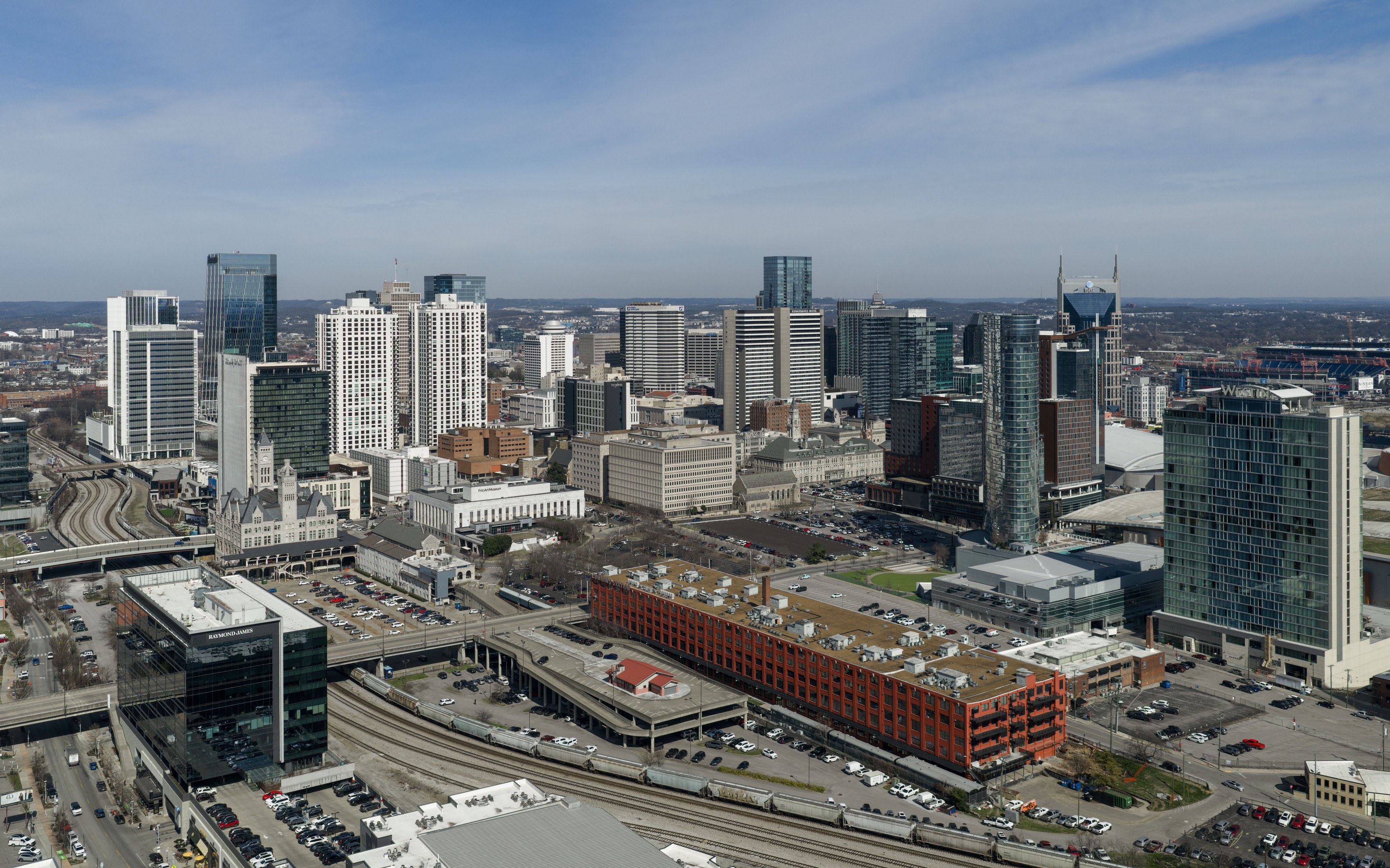
Day one: downtown. Country Music Hall of Fame in the late morning, lunch nearby, Broadway in the afternoon while the bands are audible, the Pedestrian Bridge at dusk, dinner, and a Ryman show if you have tickets.
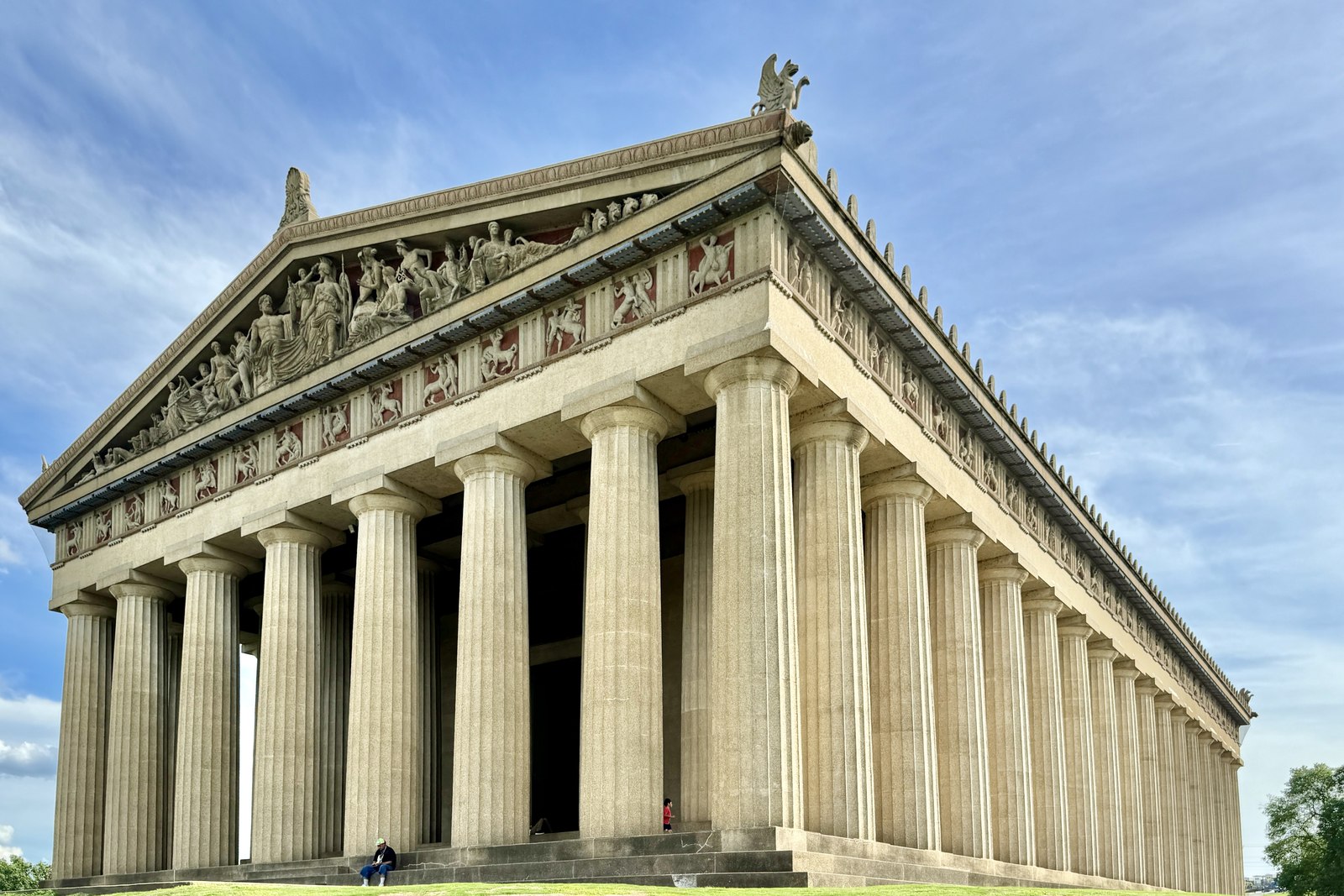
Day two: cross the river or go west. East Nashville for brunch, shopping, and a greenway walk, or Centennial Park and the Parthenon followed by Hillsboro Village and 12 South. Dinner in Germantown or East Nashville.
Day three: whatever the first two days made you want more of. Music Row and RCA Studio B, a second museum, a longer walk at Radnor Lake, or a slow morning and an early flight.
Resist adding a fourth thing to any day. The drive times will eat it.
Things that surprise people
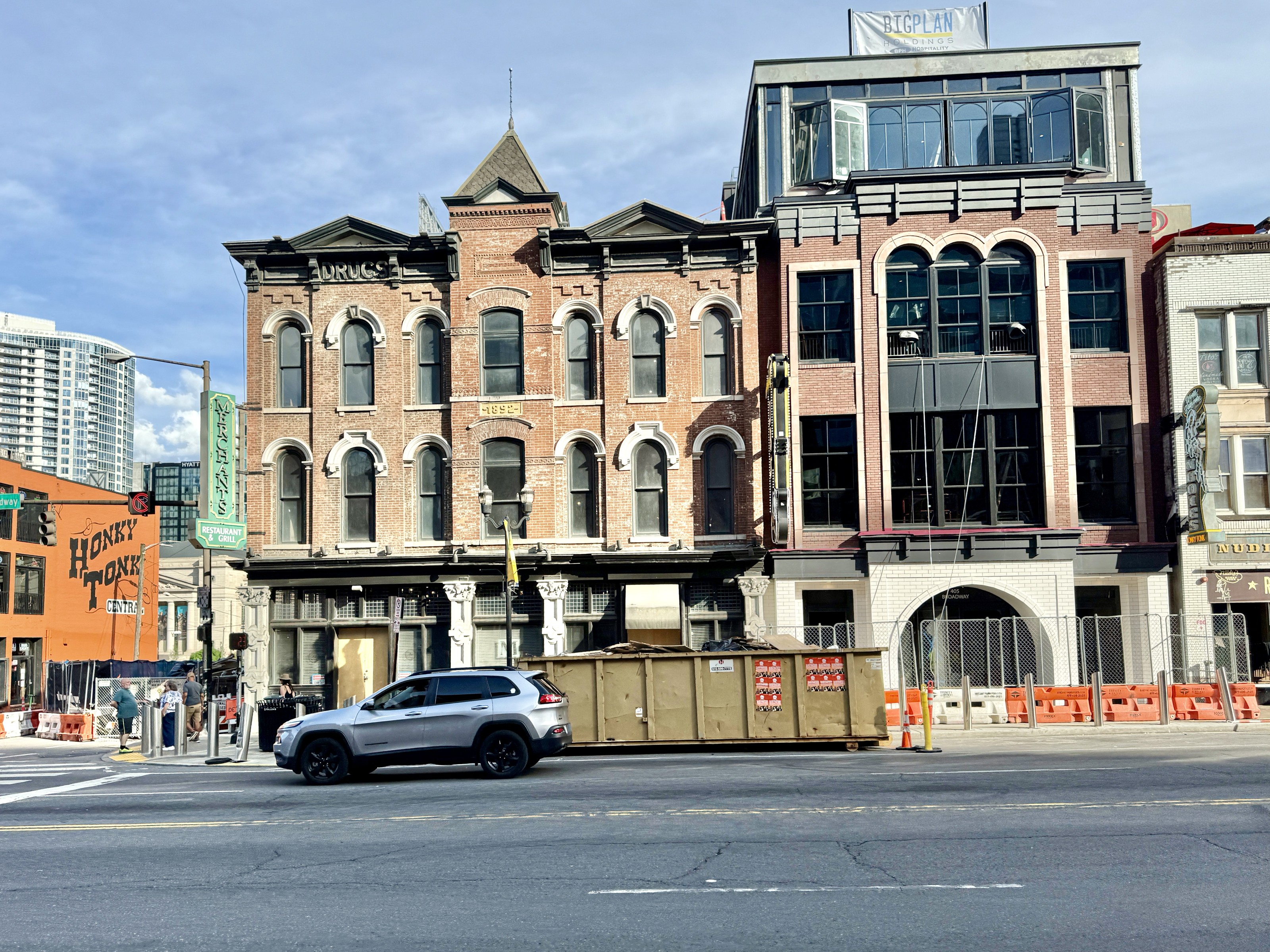
Broadway is free. All of it. The bars have no cover and the bands play for tips. First-time visitors routinely assume they need tickets for something that is open to the street.
The Grand Ole Opry is a radio show, not a concert. Several artists, short sets, live ads read from the stage. It is good; it is just not what most people picture.
Hot chicken heat levels are not a marketing exercise. The top levels are unpleasant for most people. Order down one.
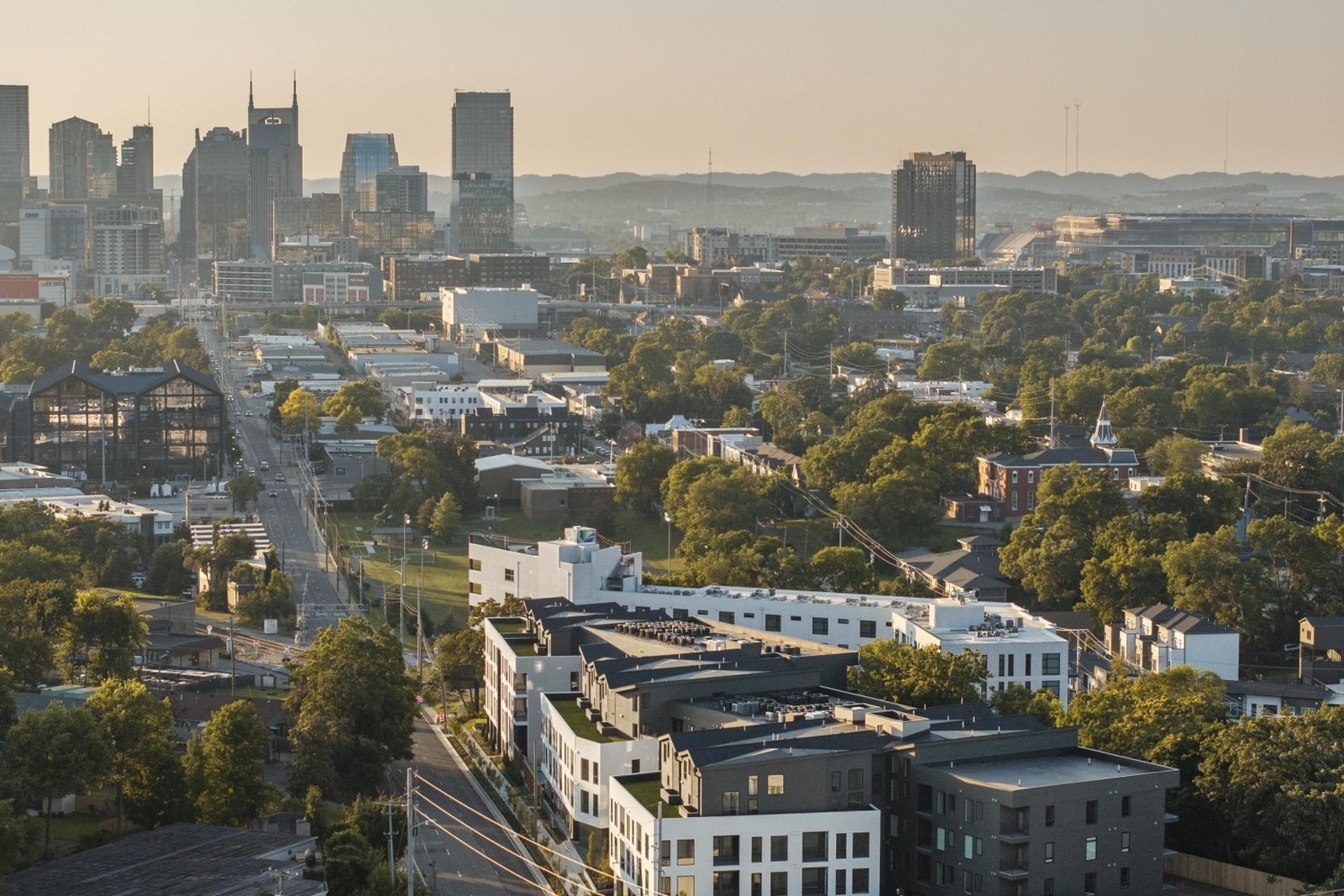
The city is more spread out than it looks. A destination twelve minutes away by car is not a walk.
Weekends downtown are dominated by large groups. That is the texture of the place on a Saturday night, and no amount of planning changes it. Come Sunday through Wednesday if that is not what you want.
Rough budget expectations
Central hotel rooms in shoulder season commonly land somewhere in the $200 to $350 range per night, rising well beyond that on event weekends. Check current pricing; this moves constantly.
Museum admission for the major downtown sites is generally in the $25 to $35 per adult range.
Dinner with a drink runs roughly $50 to $80 a head at a mid-range room. Lunch can be a third of that.
Budget $20 to $40 a day in rideshare if you are staying central and leaving the core once or twice, more if you are based across the river.
All of these are planning estimates rather than quotes. Confirm before you commit.
Common questions
- How many days do you need for a first trip to Nashville?
- Three. Two is workable if you stay downtown and stick to the core. Four gives you room for a day trip or a slower pace.
- What should I book before I arrive?
- Show tickets first, then one weekend dinner, then your hotel if a large event falls on your dates. Everything else can be decided on the ground.
- Do I need a rental car in Nashville?
- Not if you stay in the downtown core and use rideshare for occasional trips out. Rent one if you are based in East Nashville or further out, or if you plan day trips.
- What is the best time of year to visit Nashville?
- April to early June and September to October for weather. January and February for cost and quiet. July and August are hot enough to reshape your daily schedule.
- Is Nashville walkable?
- The downtown core is. Downtown, the Gulch, and Germantown connect on foot. Everything else is a short drive, and the map consistently makes those distances look shorter than they feel.
We review this guide on a regular schedule. If a detail has changed, send us a correction.