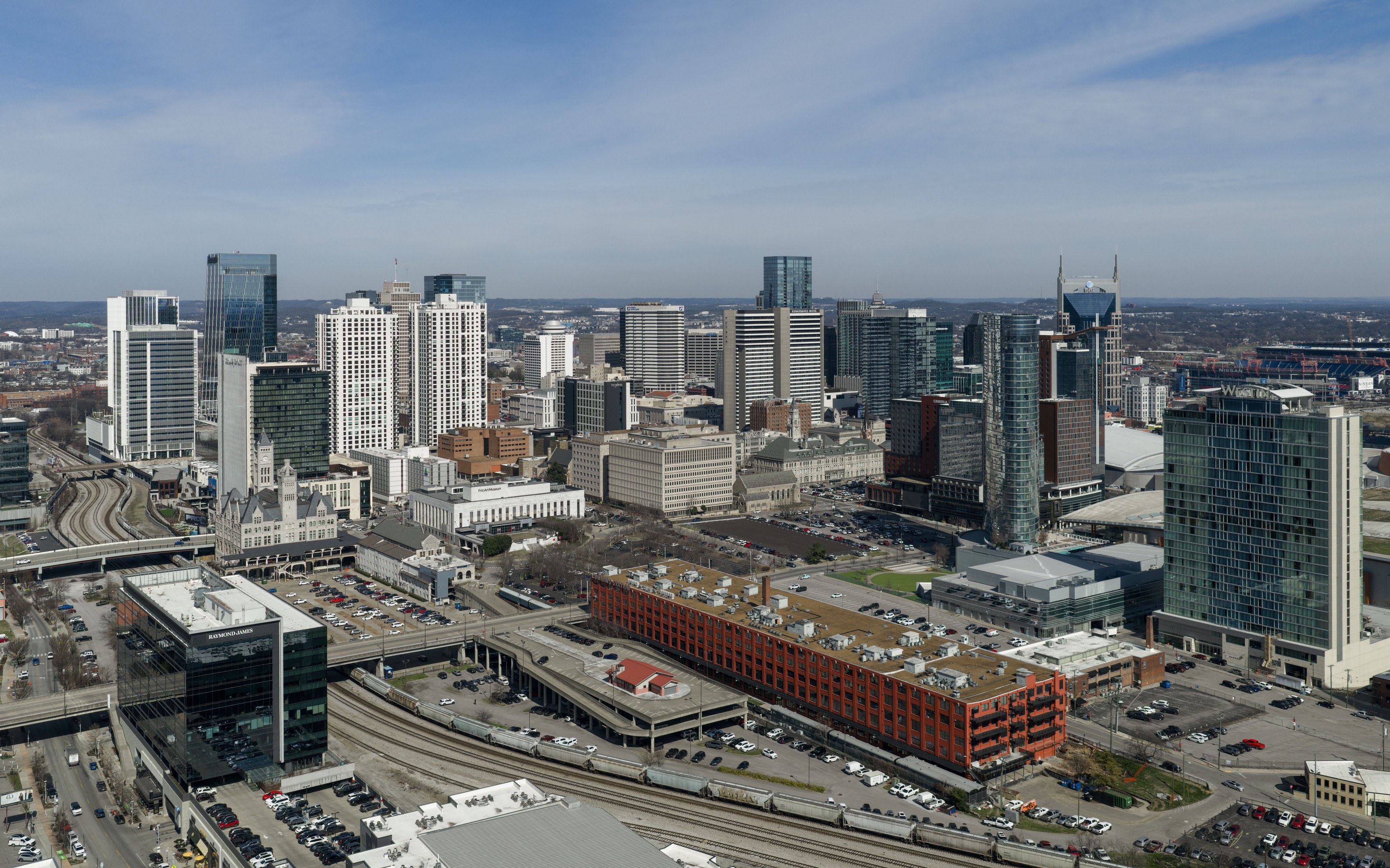
Nashville is a set of distinct districts rather than a single walkable center. Understanding how they relate to each other is the single most useful thing you can do before a trip, because it determines where you stay, how much you spend on rides, and how much of your day disappears into a car.
The core is small. Downtown, the Gulch, and Germantown connect on foot in fifteen to twenty minutes. Everything else needs wheels, even when the map makes it look close.
This guide walks through the districts in the order you are likely to encounter them, with what each is for and roughly how long it takes to get there from downtown.
The walkable core: downtown, the Gulch, Germantown
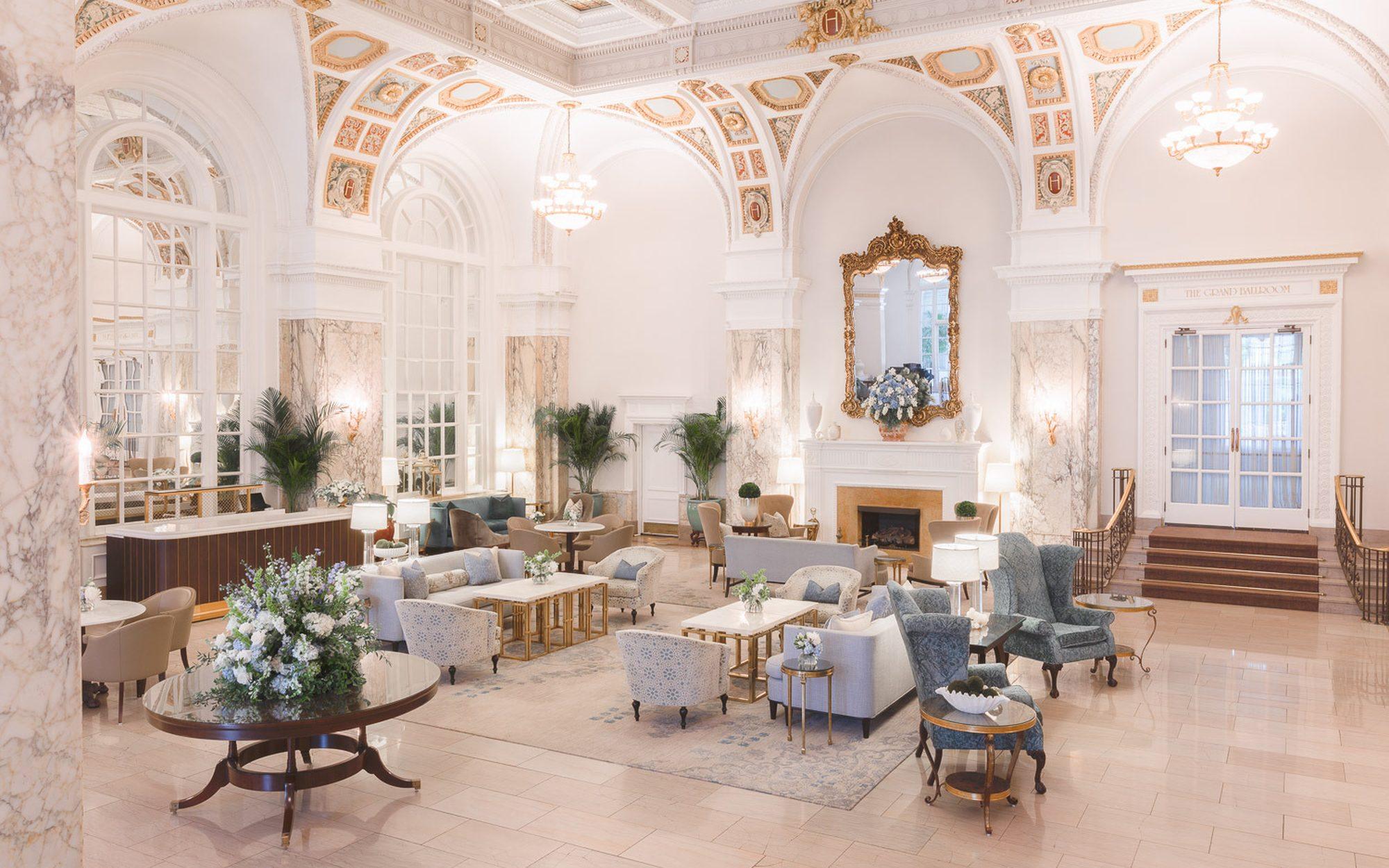
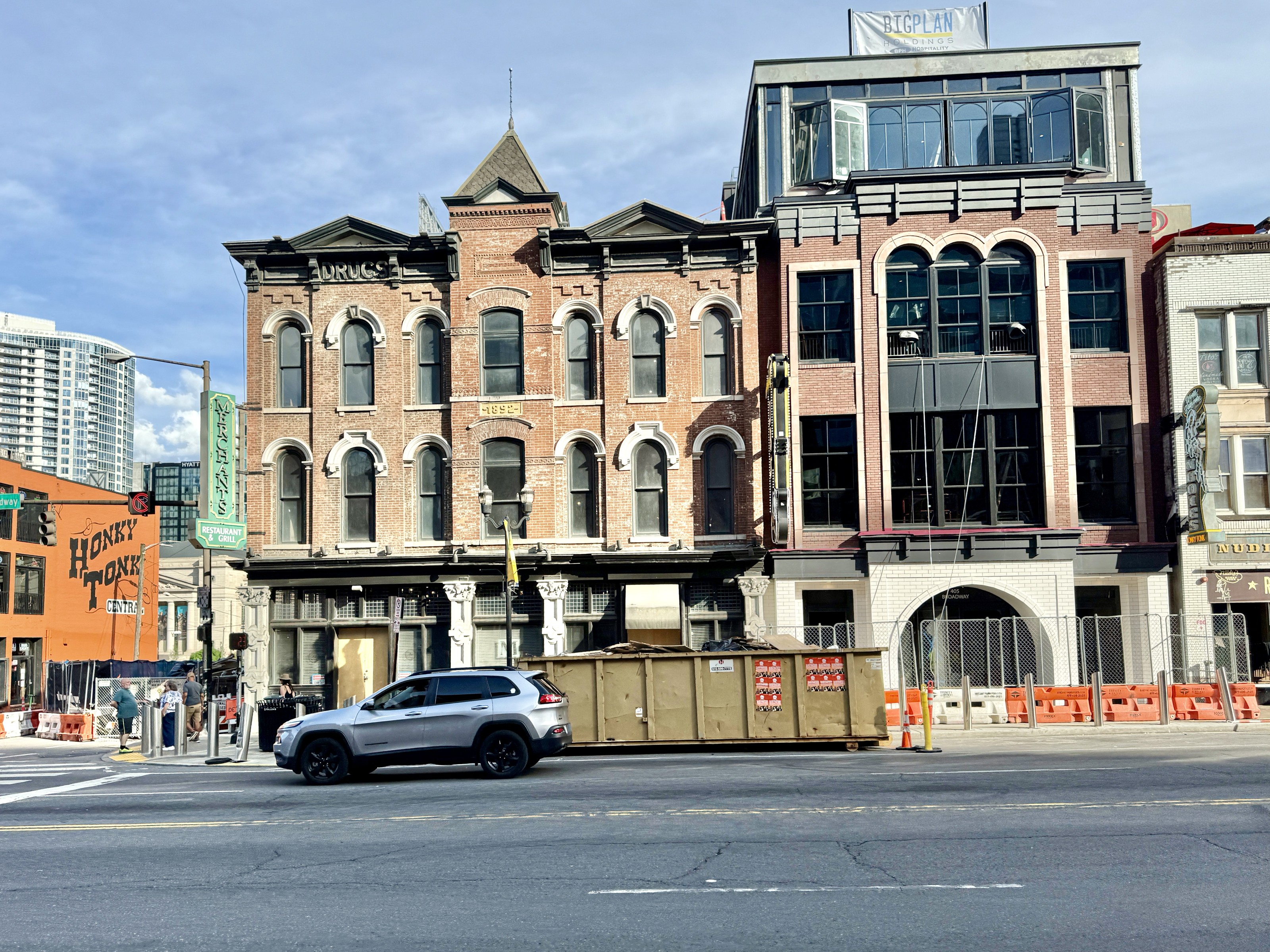
Downtown and Lower Broadway is the dense center: honky-tonks, the Ryman, the Country Music Hall of Fame, the arena, and most of the large hotels within a few blocks. Loud, crowded on weekends, and covered end to end on foot in about fifteen minutes.
The Gulch sits southwest, about fifteen minutes on foot from Broadway. It is the newest built district, vertical and tidy, with hotels and restaurants stacked at street level. Quieter than Broadway, more expensive than East Nashville.
Germantown is directly north, about twenty minutes on foot or five by car. Six blocks of brick streets, the strongest dinner cluster in the city, and the farmers market at its edge. It is the quiet option that is still central.
If you can build your trip inside this triangle, you will not need a car.
Across the river: East Nashville
East Nashville is five to ten minutes by car across the Cumberland and not realistically walkable from downtown. It is where the independent restaurant and bar scene concentrated, and where the crowd is local rather than visiting.
It is not one strip. Five Points, Riverside Village, and several other pockets sit a few minutes apart, so plan on driving between dinner and drinks even inside the neighborhood.
Shelby Bottoms Greenway runs along the river here and is the best easy walk close to the center of the city.
Parking is mostly free street parking, which tightens on weekend nights around the busier blocks.
South and west: 12 South, Hillsboro Village, Midtown
12 South is a half-mile commercial strip through a residential neighborhood, about ten minutes from downtown. Coffee, boutiques, brunch, and a well-photographed set of murals. Park once and walk it. Weekend mornings are busy; weekdays are calm.
Hillsboro Village is two blocks wedged between Vanderbilt and Belmont, with long-running businesses and an independent theater. It has a settled everyday feel the newer districts lack, and it pairs naturally with 12 South, which is minutes away.
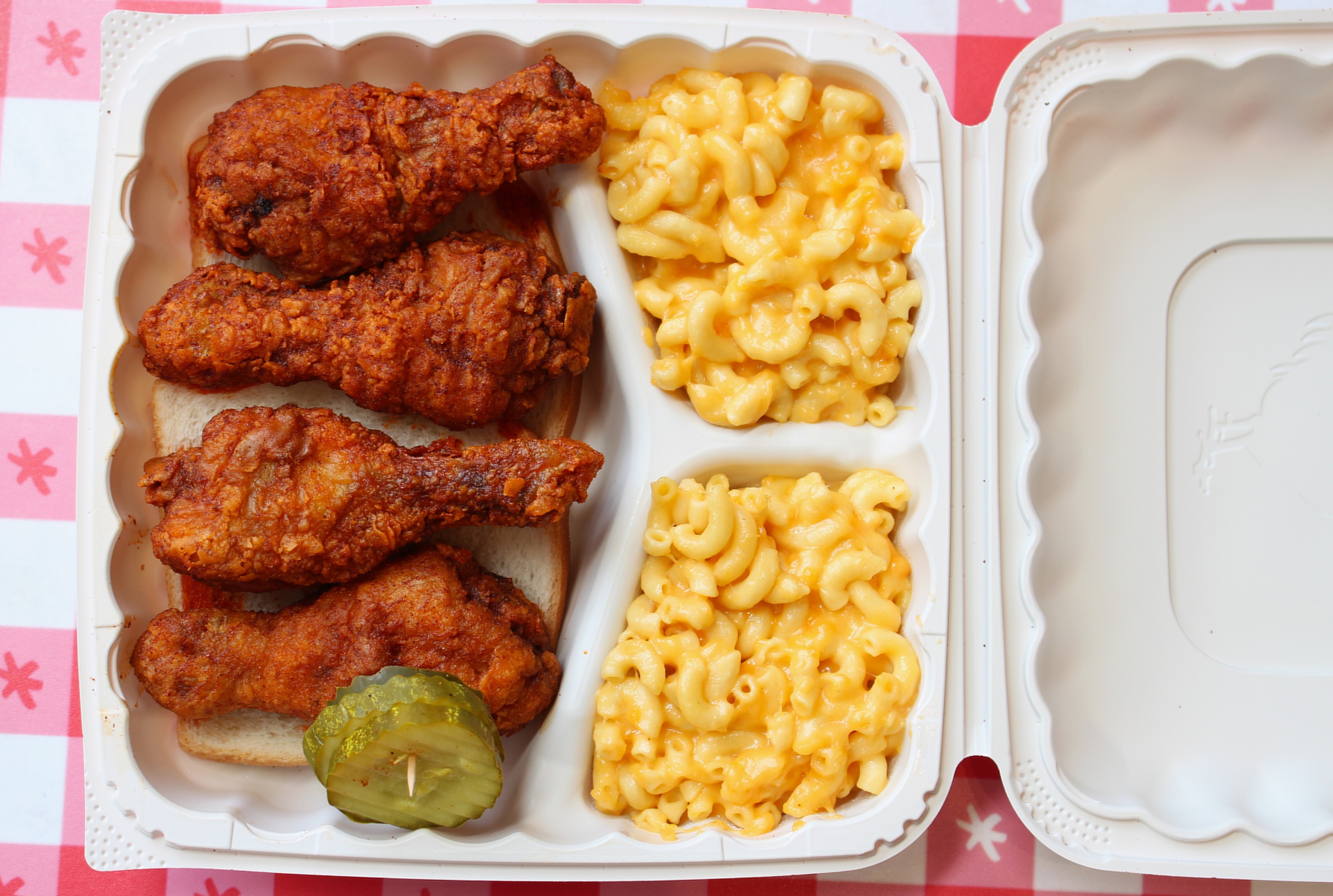
Midtown runs west from downtown and takes in Music Row, where publishing houses and studios occupy converted homes. It is also where several well-known hot chicken counters are, and where the younger bar scene lives.
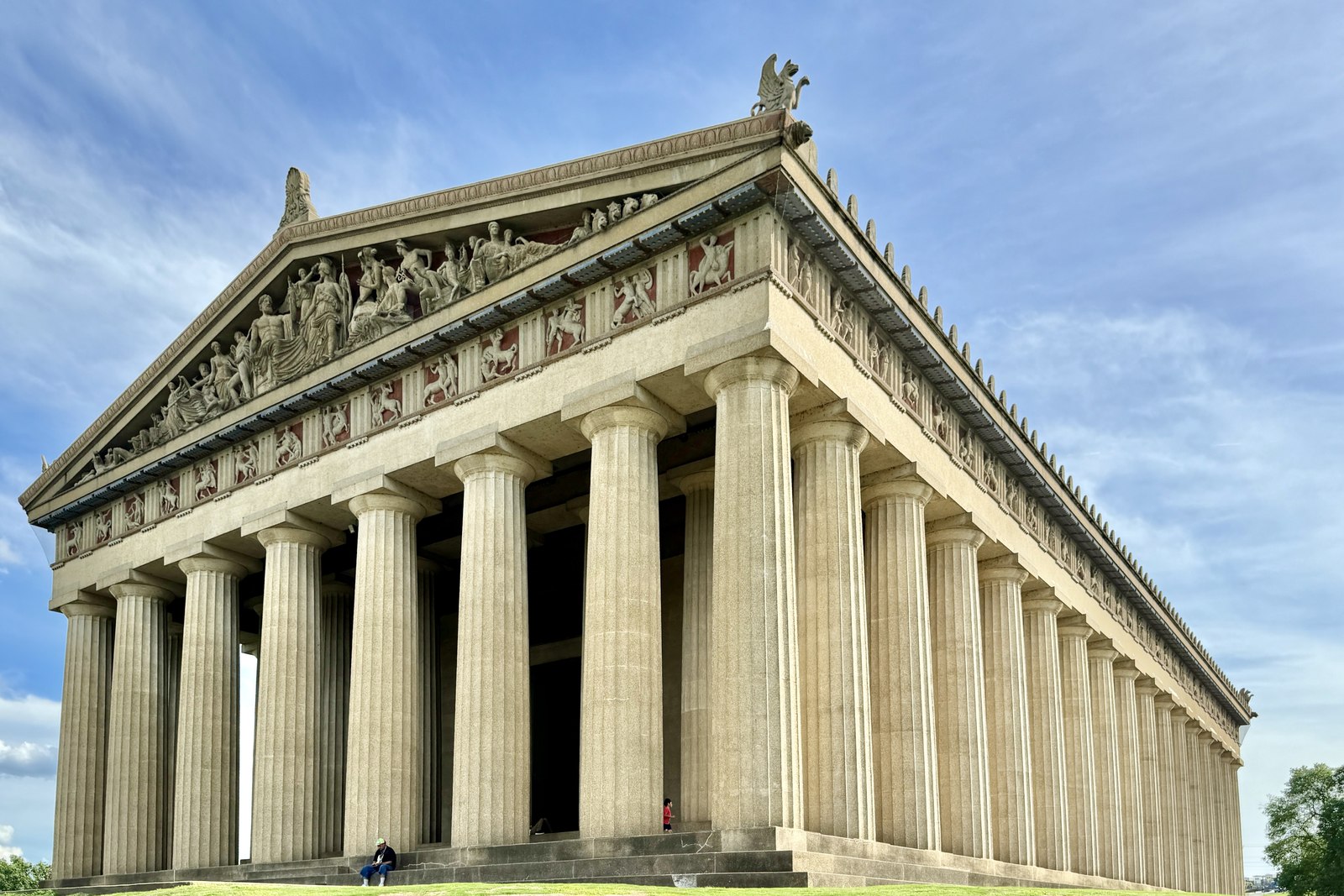
Centennial Park and the Parthenon sit at the west end of this cluster, walkable from Hillsboro Village in about fifteen minutes.
The quieter districts: Wedgewood-Houston and Sylvan Park
Wedgewood-Houston, usually shortened to WeHo, is the former industrial pocket south of downtown that now holds galleries, studios, and breweries in converted warehouses. It is about ten minutes by car and it is the best place in the city to put a group in a taproom without a reservation.
The gallery scene concentrates around monthly art crawls, and many galleries keep limited weekday hours. Check before you drive over on a Tuesday afternoon.
Sylvan Park is a west-side residential neighborhood about fifteen minutes out, with a short restaurant row and greenway access. Visitors almost never end up here by accident, which is exactly its appeal on a busy weekend.
Both are car-dependent and both have easy, free parking.
Green Hills and the outer edge
Green Hills is fifteen to twenty minutes south, longer at rush hour, and is primarily shopping and residential. For visitors, the reason to go is the Bluebird Cafe, which seats very few people and books out well in advance.
Traffic on Hillsboro Pike is the main friction on that route. Allow more time than the distance implies, especially between 4pm and 6:30pm.
Beyond Green Hills, the Opry complex sits northeast about twenty minutes out, and the historic sites and Radnor Lake are their own trips. Treat each as a half day rather than a stop.
None of these connect to each other. Going from the Opry to Green Hills in one evening is a bad plan.
How to choose
Two nights, first visit, no car: stay downtown or in the Gulch and do not leave the core except for one dinner.
Food is the point: stay in Germantown, eat in Germantown and East Nashville, and budget for rides.
You have been before: East Nashville and Wedgewood-Houston will feel like a different city than the one you saw the first time.
Travelling with kids or wanting quiet: Green Hills, Sylvan Park, or the calmer edges of Germantown, with a car.
Common questions
- Which Nashville neighborhood is best for first-time visitors?
- Downtown or the Gulch. They put the Ryman, Broadway, and the Country Music Hall of Fame within walking distance, which is where most of a first trip is spent.
- Can you walk between Nashville neighborhoods?
- Only inside the core. Downtown, the Gulch, and Germantown connect on foot in fifteen to twenty minutes. East Nashville, 12 South, Midtown, and everything further out require a car or a rideshare.
- Where do locals actually hang out?
- East Nashville and Wedgewood-Houston, mostly, plus the neighborhood strips in Sylvan Park and Hillsboro Village. The common thread is that none of them are built around visitor traffic.
- How long does it take to get across Nashville?
- Downtown to East Nashville is five to ten minutes; to 12 South or Midtown, about ten; to Green Hills or the Opry, fifteen to twenty. Rush hour between 4pm and 6:30pm can add half again to any of those.
We review this guide on a regular schedule. If a detail has changed, send us a correction.